






Enfermedades y afecciones
Dolor de cuello
El cuello tiene una gran amplitud de movimiento y soporta el peso de la cabeza. Sin embargo, al estar menos protegido que el resto de la columna vertebral, el cuello puede ser vulnerable a lesiones y trastornos que provocan dolor y limitan el movimiento.
Para muchas personas, el dolor de cuello es, afortunadamente, una molestia pasajera que desaparece con el tiempo. Otras necesitan un diagnóstico y un tratamiento médicos para aliviar sus síntomas.
Anatomía

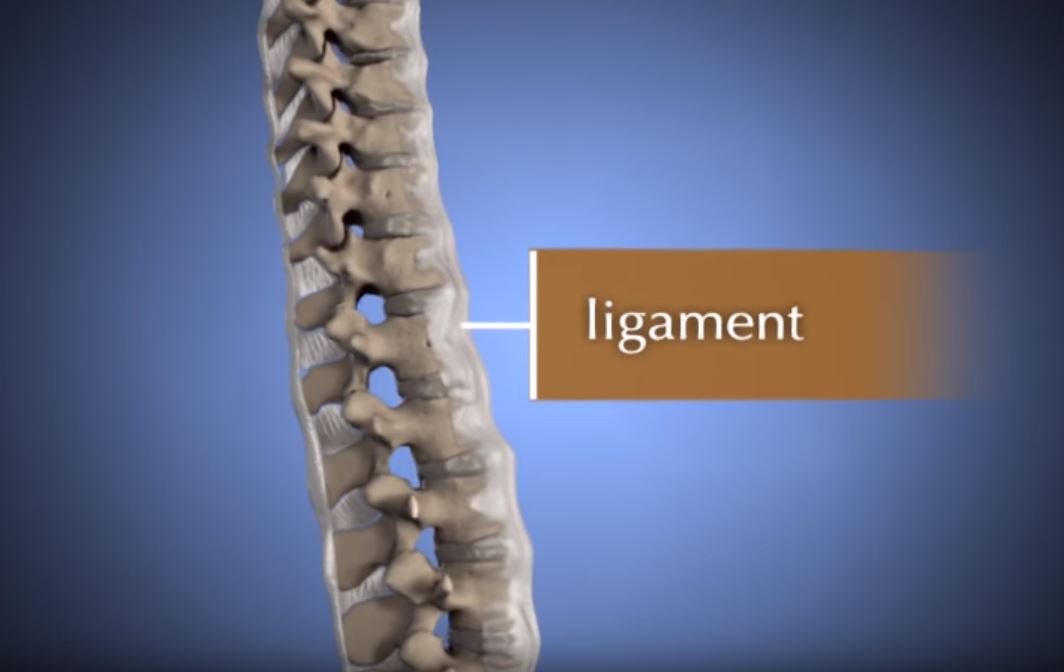
La columna vertebral está formada por 24 huesos, llamados vértebras, que se apilan unos sobre otros. Las siete vértebras pequeñas que comienzan en la base del cráneo y forman el cuello constituyen la columna cervical. Las vértebras óseas, junto con los ligamentos (que son similares a unas gomas elásticas gruesas) y los músculos, proporcionan estabilidad a la columna vertebral. Los músculos permiten el soporte y el movimiento.
La médula espinal se extiende desde la base del cráneo hasta la zona lumbar y discurre por el canal espinal (el centro hueco de cada vértebra apilada). Las raíces nerviosas se ramifican desde la médula espinal a través de las aberturas de las vértebras (los forámenes) y transmiten señales entre el cerebro y los músculos.
Entre las vértebras hay discos intervertebrales flexibles. Actúan como amortiguadores cuando caminas o corres.
Causa
El dolor de cuello puede deberse a problemas en los tejidos blandos —los músculos, los ligamentos y los nervios—, así como en los huesos y los discos de la columna vertebral. Las causas más comunes del dolor de cuello son:
- Lesiones de los tejidos blandos (músculos y ligamentos) ( distensión o esguince).
- El desgaste prolongado (conocido comúnmente como espondilosis cervical o artritis). Los cambios debidos al desgaste pueden provocar:
- Mielopatía espondilótica cervical o compresión de la médula espinal
- Radiculopatía cervical, un nervio pinzado en el cuello
En contadas ocasiones, una infección o un tumor pueden provocar dolor de cuello. En algunas personas, los problemas cervicales pueden ser la causa del dolor en la parte superior de la espalda, los hombros o los brazos.
Degeneración discal cervical (espondilosis/artritis)
Los discos cervicales actúan como amortiguadores entre los huesos del cuello.
La degeneración de los discos cervicales suele aparecer en personas de 40 años o más. A medida que los discos de la columna vertebral envejecen, pierden altura y comienzan a abultarse. También pierden contenido de agua, empiezan a resecarse y se debilitan. Este problema provoca el hundimiento o colapso de los espacios discales y la pérdida de altura de dichos espacios. Con el tiempo, el disco pierde su capacidad amortiguadora.
Cuando el anillo exterior del disco se debilita, el disco también puede abultarse y ejercer presión sobre la médula espinal o las raíces nerviosas. Esto se conoce como hernia discal cervical. La hernia discal cervical puede provocar dolor, entumecimiento, hormigueo y debilidad en los brazos y las piernas.
La espondilosis cervical es muy frecuente. Afecta a más del 85 % de las personas mayores de 60 años.
Lesión
Dado que el cuello es muy flexible y soporta el peso de la cabeza, es extremadamente vulnerable a las lesiones. Los accidentes de tráfico o de buceo, los deportes de contacto y las caídas pueden provocar lesiones en el cuello.
Una colisión por alcance entre automóviles puede provocar una hiperextensión —un movimiento hacia atrás del cuello más allá de los límites normales— o una hiperflexión —un movimiento hacia delante del cuello más allá de los límites normales—. A esto se le suele llamar «latigazo cervical». El uso habitual de los cinturones de seguridad en los vehículos de motor puede ayudar a prevenir o minimizar las lesiones cervicales.
- Las lesiones más comunes en el cuello, como los esguinces y las distensiones, afectan a los músculos y a los ligamentos.
- Una lesión en el cuello también puede provocar un nervio pinzado (radiculopatía cervical).
- Las lesiones graves en el cuello, con fractura o luxación, pueden dañar la médula espinal y provocar parálisis.
¿Cuándo debes acudir al médico?
Si se produce un dolor intenso de cuello tras una lesión (accidente de tráfico, accidente de buceo o caída), un profesional cualificado, como un paramédico, debe inmovilizar al paciente para evitar el riesgo de lesiones adicionales y una posible parálisis. Es fundamental acudir al médico de inmediato; el tiempo es el factor más crítico para prevenir lesiones tras un traumatismo.
También debes acudir inmediatamente al médico cuando una lesión te provoque dolor en el cuello que se irradie hacia los brazos y las piernas.
Si sientes un dolor irradiado o entumecimiento en los brazos o las piernas que te provoque debilidad, deberías acudir a un profesional sanitario para que te examine, aunque no tengas un dolor de cuello significativo. Las dificultades con las habilidades motoras finas, como cambios en la letra, problemas para abrocharse los botones o que se te caigan las llaves y las tazas, pueden ser un signo sutil de problemas graves en la columna vertebral.
Sea cual sea la causa, debes acudir al médico cuando el dolor de cuello:
- Continuo (duele todo el tiempo) y persistente (no desaparece tras un cierto tiempo)
- Grave
- Acompañado de dolor o entumecimiento que se irradia (se extiende) hacia los brazos o las piernas
- Acompañado de dolores de cabeza, entumecimiento, hormigueo o debilidad
Aportado y/o actualizado por
Revisado por pares por
La AAOS no respalda ningún tratamiento, procedimiento, producto ni médico mencionado en el presente documento. Esta información se facilita con fines educativos y no pretende constituir un consejo médico. Cualquier persona que necesite asesoramiento o asistencia ortopédica específica debe consultar a su cirujano ortopédico o buscar uno en su zona a través del programa «Buscar un ortopedista» de la AAOS, disponible en este sitio web.
El contenido de este sitio web puede haber sido traducido del inglés a otros idiomas mediante herramientas de inteligencia artificial. Las traducciones se facilitan para comodidad de los lectores y es posible que no hayan sido revisadas ni verificadas por profesionales sanitarios. La AAOS no ofrece ninguna garantía en cuanto a la exactitud, fiabilidad o exhaustividad de la información traducida y declina toda responsabilidad por cualquier problema que pueda derivarse de su uso. Se recomienda encarecidamente a los usuarios que consulten el contenido original en inglés y que acudan a profesionales sanitarios cualificados antes de tomar cualquier decisión médica. Al utilizar el contenido traducido, usted reconoce y acepta estas limitaciones y asume toda la responsabilidad por la confianza depositada en la información facilitada.