






Enfermedades y afecciones
Enfermedad de Sever

La enfermedad de Sever (también conocida como apofisitis calcánea) es una de las causas más frecuentes de dolor de talón en los niños en edad de crecimiento. Puede afectar especialmente a los niños muy activos físicamente. Se trata de una inflamación de la placa de crecimiento calcáneo (talón).
La enfermedad de Sever está provocada por una tensión repetitiva en el talón. Suele aparecer con mayor frecuencia durante los periodos de crecimiento acelerado, cuando los huesos, los músculos, los tendones y otras estructuras experimentan cambios rápidos.
- Los niños y adolescentes que practican deportes que implican correr y saltar tienen un mayor riesgo de padecer esta afección.
- Sin embargo, los adolescentes menos activos también pueden sufrir este problema, sobre todo si llevan zapatos muy planos.
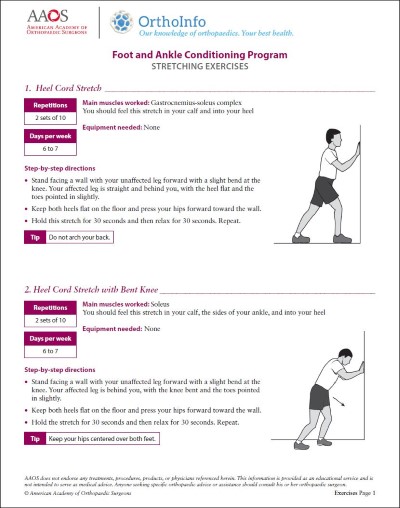
En la mayoría de los casos de enfermedad de Sever, medidas sencillas como el reposo, los medicamentos de venta libre y un cambio de calzado aliviarán el dolor y permitirán retomar las actividades cotidianas. Además, estirar los músculos de la pantorrilla puede ayudar a reducir la tensión en el talón.
¿Por qué se desarrolla la enfermedad de Sever?
En los huesos de los niños y adolescentes hay una zona especial en la que el hueso crece, denominada placa de crecimiento». Las placas de crecimiento son zonas de cartílago situadas cerca de los extremos de los huesos.
Cuando un niño ha terminado de crecer, las placas de crecimiento se cierran y son sustituidas por hueso sólido. Hasta que esto ocurre, las placas de crecimiento son más débiles que los tendones y ligamentos adyacentes y son vulnerables a los traumatismos.

La enfermedad de Sever afecta a la parte de la placa de crecimiento la parte posterior del talón. Esta zona de crecimiento sirve de punto de inserción del tendón de Aquiles. El tendón de Aquiles es la fuerte banda de tejido que une los músculos de la pantorrilla, situados en la parte posterior de la pierna, con el hueso del talón.
El estrés repetitivo derivado de correr, saltar y otras actividades de alto impacto puede provocar dolor e inflamación en esta zona de crecimiento del talón. La tensión que ejerce el tendón de Aquiles en su punto de inserción puede, en ocasiones, irritar aún más la zona.

Síntomas de la enfermedad de Sever
Los síntomas dolorosos suelen aparecer al correr, saltar y realizar otras actividades deportivas. En algunos casos, los síntomas afectan a ambos talones, aunque uno de ellos puede verse más afectado que el otro. Los síntomas pueden incluir:
- Dolor en el talón y sensibilidad debajo del talón
- Ligera hinchazón en el talón

Diagnóstico de la enfermedad de Sever
Durante la consulta, el médico de su hijo:
- Comenta los síntomas y el estado de salud general de tu hijo.
- Realiza un examen exhaustivo del pie y el tobillo para determinar la causa del dolor. Esto incluirá aplicar presión sobre el hueso del talón, tanto en la parte inferior como a lo largo de los lados. Estas zonas están sensibles o duelen en un niño con la enfermedad de Sever.
- Podría pedirle a su hijo que camine, corra, salte o camine de puntillas para ver si esos movimientos le provocan dolor.
Tratamiento de la enfermedad de Sever
El tratamiento de la enfermedad de Sever se centra en reducir el dolor y la inflamación. Esto suele implicar limitar la actividad física. En algunos casos, es necesario guardar reposo durante varios meses, tras lo cual se inicia un programa de fortalecimiento muscular. Sin embargo, si su hijo no tiene mucho dolor ni cojea, puede ser seguro que siga practicando deporte.
Es posible que el médico de su hijo le recomiende un tratamiento adicional, como por ejemplo:
- Almohadillas para el talón. Las almohadillas para el talón que se colocan en el calzado deportivo pueden ayudar a absorber los impactos y a aliviar la tensión en el talón y el tobillo.
- Llevar zapatos con un tacón ligeramente elevado. Elevar el tacón puede aliviar parte de la presión sobre la placa de crecimiento.
- antiinflamatorios no esteroideos (AINE).Medicamentos como el ibuprofeno y el naproxeno pueden ayudar a reducir el dolor y la inflamación.
- Ejercicios. Una vez que el dolor haya remitido, su hijo podrá empezar a hacer ejercicios para estirar el músculo de la pantorrilla y fortalecer los músculos de la pierna.
- Bota ortopédica. En ocasiones, puede ser necesario utilizar una «bota ortopédica» para inmovilizar el pie mientras se cura.

Resultado
No es raro que la enfermedad de Sever reaparezca. Esto puede ocurrir cuando el niño vuelve a aumentar su actividad deportiva. Resulta útil llevar calzado que ofrezca una buena sujeción al pie y al talón.
La enfermedad de Sever no volverá a aparecer una vez que el niño haya alcanzado la madurez y la placa de crecimiento talón se haya convertido en hueso sólido.

Revisado por pares por
La AAOS no respalda ningún tratamiento, procedimiento, producto ni médico mencionado en el presente documento. Esta información se facilita con fines educativos y no pretende constituir un consejo médico. Cualquier persona que necesite asesoramiento o asistencia ortopédica específica debe consultar a su cirujano ortopédico o buscar uno en su zona a través del programa «Buscar un ortopedista» de la AAOS, disponible en este sitio web.
El contenido de este sitio web puede haber sido traducido del inglés a otros idiomas mediante herramientas de inteligencia artificial. Las traducciones se facilitan para comodidad de los lectores y es posible que no hayan sido revisadas ni verificadas por profesionales sanitarios. La AAOS no ofrece ninguna garantía en cuanto a la exactitud, fiabilidad o exhaustividad de la información traducida y declina toda responsabilidad por cualquier problema que pueda derivarse de su uso. Se recomienda encarecidamente a los usuarios que consulten el contenido original en inglés y que acudan a profesionales sanitarios cualificados antes de tomar cualquier decisión médica. Al utilizar el contenido traducido, usted reconoce y acepta estas limitaciones y asume toda la responsabilidad por la confianza depositada en la información facilitada.