






Treatment
Preparing for Low Back Surgery
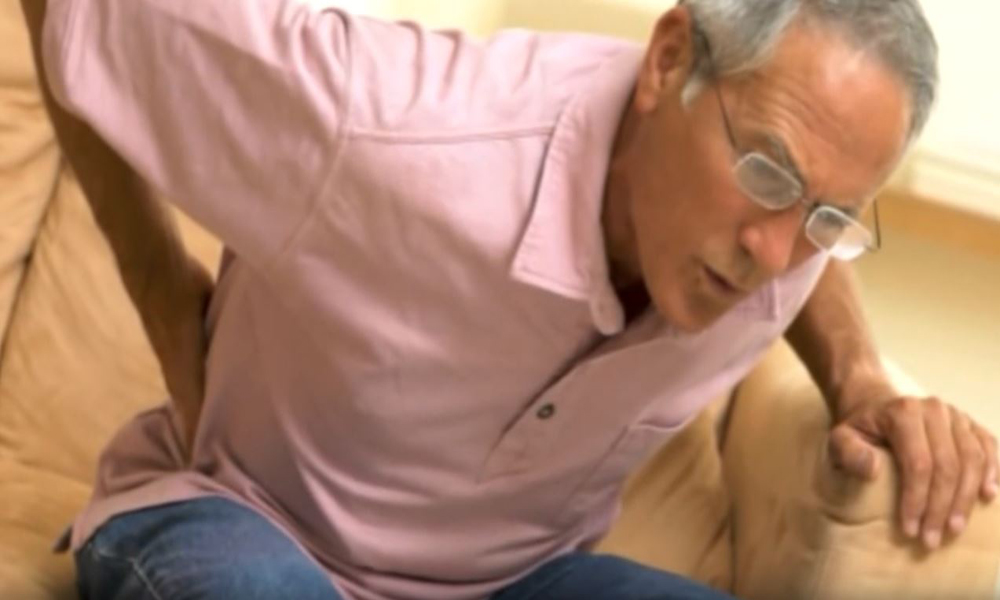
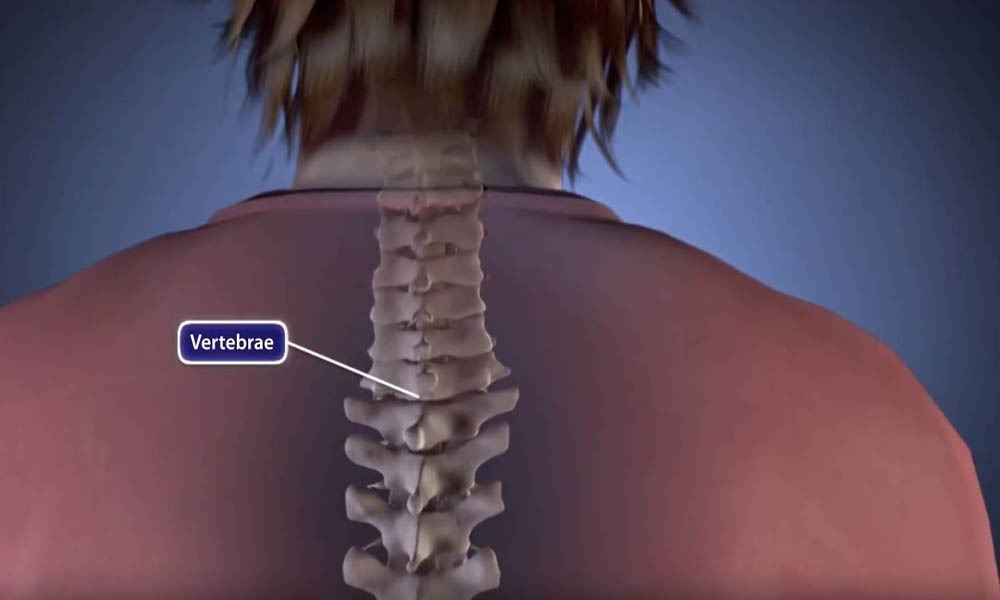
If you are scheduled to have low back surgery, there are several things you can do to help ensure that you are prepared for the procedure.
This article provides information on how to best plan for your surgery. It also provides details on what to expect during your hospital stay and recovery at home.
Preparing for Low Back Surgery
Preoperative Medical Evaluation
Depending on your age and general medical fitness, your surgeon may ask you to have a checkup (sometimes called a clearance, risk stratification assessment, or medical optimization) with your primary care doctor and any other doctor that you see regularly, such as your cardiologist (heart doctor).
The purpose of this is to have your general medical doctor identify any medical conditions you have and try to make sure they are controlled as best as possible to decrease your risks of medical complications for surgery. Risks of surgery can never be zero, but medical doctors can help identify any risks or treatments that can improve your outcomes and decrease chances of problems.
Smoking
If you smoke or use smokeless tobacco, you should quit several months before surgery.
Nicotine users are at greater risk for serious complications after surgery, including wound infections and a delay in the bone healing needed for successful fusion surgeries.
It is extremely important to inform your surgeon about your nicotine usage before your procedure so that, together, you can create a plan to give you the best results after your surgery.
Learn more: Surgery and Smoking
Medications
Some medications can affect your surgery by causing bleeding or interfering with anesthesia. These medications include aspirin and other nonsteroidal anti-inflammatory drugs (NSAIDs), such as ibuprofen and naproxen. Also be sure to tell your surgeon about any supplements or natural remedies you take, as many of these have similar side effects.
Your surgeon will tell you which supplements and medications you should stop taking, and when you should stop taking them, in preparation for your procedure.
Learn more: Preparing for Surgery: Medication Safety Checklist
Blood Transfusion
There is always a chance that some blood loss will occur during the procedure and that you may need a blood transfusion.
Most commonly, transfused blood comes from the blood bank. However, some patients choose to donate their own blood prior to surgery. You can ask your surgeon about the pros and cons of donating your own blood vs. using someone else's blood.
If you decide to donate your own blood, your surgeon may prescribe an iron supplement to help build up your blood before surgery.
Advance Planning
You will be able to walk after surgery, but you after you return home you may need help with activities like washing, dressing, cleaning, laundry, and shopping. Before your procedure, arrange to get help with these activities for the first few weeks after surgery.
Even after minor spine surgery, your doctor may recommend that you do not drive for a period of time. For this reason, you will need to arrange in advance for transportation to and from your doctor's appointments and other places that you need to go during this time.
Talk to your doctor in advance if you have an extended car trip planned during your recovery. Your surgeon may recommend that you postpone your trip until your recovery is complete.
Your Low Back Surgery
Before Your Operation
The night before surgery, you will need to stop eating for a determined period. This can vary widely, but often you should not have anything to eat or drink past midnight. Clear liquids, including coffee with no additives, are allowed closer to surgery. You might be given different restrictions if you are taking certain medications such as GLP1 agonists.
If a hospital stay is necessary after surgery, patients are usually admitted on the day of surgery.
After admission, you will be taken to the preoperative preparation area where you will be interviewed by a doctor from the anesthesia department. The anesthesiologist will review your medical history and physical examination reports.
Together, you and the anesthesiologist will determine the type of anesthesia to be used. This discussion sometimes takes place during an outpatient visit shortly before surgery, but it may happen the day of the procedure.
The most common types of anesthesia used for low back surgery are:
- General anesthesia (you are asleep for the entire operation)
- Spinal anesthesia (you may be awake, but you will have no feeling from the waist down)
You should tell the anesthesiologist about any past or current health issues and about any previous surgeries you have had. In addition, let the anesthesiologist know if you or anyone in your family has had problems with anesthesia in the past.
Surgical Procedure
The length of spine surgeries varies widely. These operations can be as fast as 1 hour or take up to a whole workday, depending on the complexity. You should ask your surgeon how long they expect your procedure to last.
When surgery is over, you will be moved to the recovery room, where you will be observed and monitored by a nurse until you awaken from the anesthesia. You will have an intravenous (IV) line inserted into a vein in your arm. You may also have a catheter inserted into your bladder.
When you are awake and alert, you will be taken to your hospital room.
For outpatient procedures, the nurses in the recovery room will make sure that you are able to walk, eat, and go to the bathroom before you are discharged home. They will also go over any postoperative instructions with you and make sure that you understand the directions for your medications. You may want to talk to the nursing staff about timing pain medications for just before discharge to make your trip home more comfortable.
Rehabilitation After Low Back Surgery
Pain Management
After surgery, you will feel pain. Your doctor will work to reduce your pain, which can help you recover better. The goal after surgery is to make pain more manageable, not eliminate it altogether.
Many types of medications are available to help manage pain, including opioids, nonsteroidal anti-inflammatory drugs (NSAIDs), and many others. Your doctor may use a combination of these medications to improve pain relief and help wean you off of opiate pain medications. Ask your doctor if it is OK for you to take NSAIDs, as they are not appropriate for all patients and/or procedures.
Opioids are a great option for short-term post-surgery pain control. However, their use has risks and complications. These medications can be addictive and potentially dangerous. It is therefore important to use opioids only as directed by your doctor, to use as little as possible for as short a time as possible, and to stop taking them as soon as your pain starts to improve. Tell your doctor if your pain has not begun to improve within a few days after surgery.
Icing the area can also limit the inflammation associated with surgery and help with pain control. Do not place ice directly on the skin and over the incision. Wrap the ice in a towel or put it in an ice pack, and limit icing to no more than 30 minutes at a time per hour. Do not place ice (or heat) over a numb area.
Movement Limitations
Your spine must be kept in proper alignment. You will be taught how to move properly, reposition, sit, stand, and walk.
While in bed, you will be instructed to turn frequently using a "log rolling" technique. This maneuver allows your entire body to move as a unit, avoiding twisting of the spine.
You may be discharged from the hospital with a back brace or cast. Your family will be taught how to provide care at home.
Complications
The incidence of complications after low back surgery is low. Risks for any type of surgery include:
- Bleeding
- infection
- Anesthesia side effects like adverse reactions, medical problems such as heart attack or stroke, or even death
Complications that are specific to spine surgery include:
- Failure to improve symptoms
- Difficulty with urination (retaining urine)
- Difficulty with intestinal function
- Blood clots
- Recurrent disk herniation
- Problems related to rods or screws
- Nerve damage resulting in pain, numbness, and/or weakness
- Spinal headache
Warning Signs
Your doctor will talk to you about how to recognize the warning signs of a blood clot or infection. These complications are most likely to occur during the first few weeks after surgery.
Blood Clots
Warning signs include:
- Swelling in the calf, ankle or foot
- Tenderness or redness, which may extend above or below the knee
- Pain in the calf
If you experience any of these symptoms, contact your doctor immediately. If you cannot reach your doctor, call 911 or have someone drive you to the emergency room.
Blood clots are potentially life-threatening, as they occasionally are able to travel through the bloodstream and settle in the lungs. This is called a pulmonary embolism. If this happens, you may experience:
- Sudden chest pain
- Shortness of breath or coughing.
If you experience these symptoms, immediately call 911 or have someone drive you to the emergency room.
Watch: Preventing Blood Clots After Orthopaedic Surgery
Infection
Infection is rare after spine surgery. Warning signs of an infection include:
- Redness, tenderness, and swelling around the edges of the wound
- Drainage from the wound
- Pain or tenderness
- Shaking chills
- Elevated temperature, usually above 100°F if taken with an oral thermometer
If any of these symptoms occur, contact your doctor immediately or go to the emergency room.
Your Recovery at Home
After your discharge from the hospital, you will need to carefully follow your doctor's instructions to ensure a successful recovery.
- Before the day of the procedure, arrange for transportation home after surgery; you will not be able to drive yourself home.
- Once home, you may do as much for yourself as you can, as long as you can follow the precautions given to you by your surgeon.
- You can sit, stand, and go up and down stairs; however, you should avoid prolonged sitting or standing to allow your spine to heal from surgery.
- Ask for help from family members or friends if it is needed. If necessary, the hospital can help you plan in advance for a home health aide.
Wound Care
- If your wound was closed with stitches (sutures) or staples, they will usually be removed at your first post-operative appointment.
- If your wound was closed with absorbable sutures, they do not have to be removed.
- If you have wound drainage after you are home, cover the wound with a bandage and call your surgeon.
Diet
- Some loss of appetite is common after surgery.
- During your recovery, it is important to eat well-balanced meals and drink plenty of fluids.
- Your doctor may recommend an iron supplement or vitamins before and after your surgery.
- It is not a good idea to go on a weight loss diet right after surgery. this can interfere with essential nutrition, which may delay wound or bone healing. Instead, you should focus on eating nutritious foods and getting adequate quantities of protein and fiber.
Ask your doctor if you have questions about your post-surgery diet.
Activity
- Many people experience a loss of energy after major surgery, but this improves over time.
- It is very important that you do not stay in bed for prolonged periods of time right after surgery. You should get up every hour or so and take at least a few steps. This will help with your rehabilitation and decrease the chance of blood clots.
- Your doctor may prescribe an exercise program designed to gradually increase your strength and stamina.
- Initially, your doctor will recommend that you participate in light activity like walking. Later, you will be encouraged to swim or use an exercise bike or treadmill to improve your general physical condition.
After Recovery From Low Back Surgery
After you have recovered from your surgery, you may continue to have some achy pain in your low back. You can reduce this pain by staying in good physical condition. Once you recover, if you are overweight, you should enroll in a program to help you lose weight and keep it off.
Your doctor will evaluate you after your surgery to make sure that your recovery is progressing as expected.
Contributed and/or Updated by
Peer-Reviewed by
AAOS does not endorse any treatments, procedures, products, or physicians referenced herein. This information is provided as an educational service and is not intended to serve as medical advice. Anyone seeking specific orthopaedic advice or assistance should consult his or her orthopaedic surgeon, or locate one in your area through the AAOS Find an Orthopaedist program on this website.
The content on this website may have been translated from English into other languages using artificial intelligence tools. The translations are provided for the convenience of readers and may not been reviewed or verified by medical professionals. AAOS makes no guarantees regarding the accuracy, reliability, or completeness of the translated information and disclaims all liability for any issues arising from its use. Users are strongly encouraged to refer to the original English content and consult qualified healthcare professionals before making any medical decisions. By using the translated content, you acknowledge and accept these limitations and assume full responsibility for any reliance on the information provided.