






Diseases & Conditions
Cervical Spondylotic Myelopathy (Spinal Cord Compression)
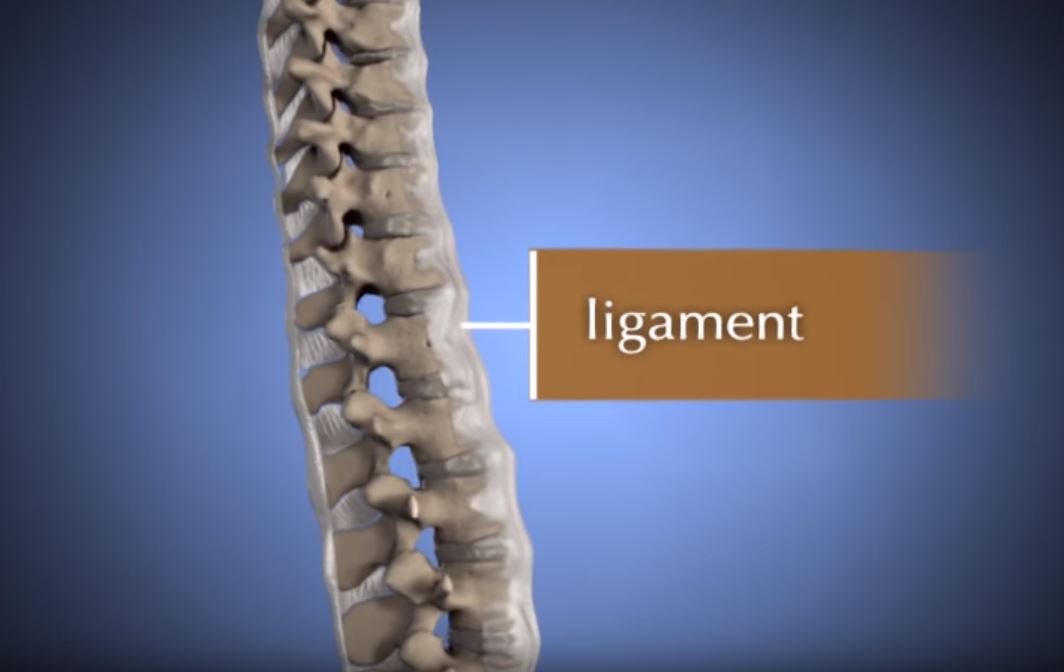
Cervical spondylotic myelopathy (CSM) is a neck condition that arises when the spinal cord becomes compressed — or squeezed — due to the wear-and-tear changes that occur in the spine as we age. Although the condition commonly occurs in patients over the age of 40, it can occur in younger people who were born with narrower spinal canals.
Anatomy
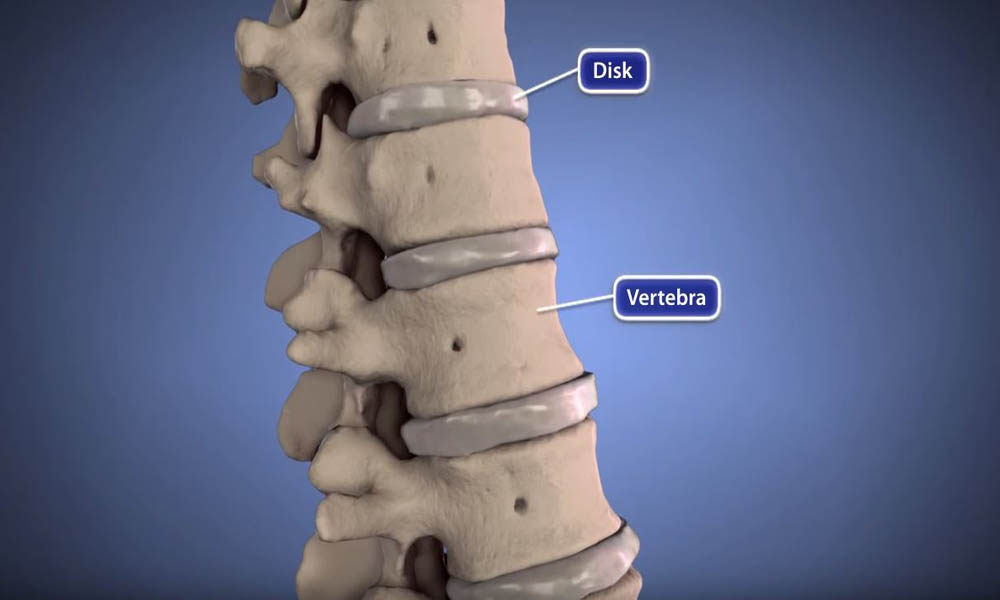
Your spine is made up of 24 bones, called vertebrae, that are stacked on top of one another.
The seven small vertebrae that begin at the base of the skull and form the neck comprise the cervical spine.
Other parts of your spine include:
Spinal cord and nerves. The spinal cord extends from the skull to your lower back and travels through the middle part of each stacked vertebra, called the central canal. Nerve roots branch out from the spinal cord through openings in the vertebrae and carry messages between the brain and muscles.
Intervertebral disks. In between your vertebrae are flexible intervertebral disks. They act as shock absorbers when you walk or run.
Intervertebral disks are flat and round and about a half inch thick. They are made up of two components:
- Annulus fibrosus. This is the tough, flexible outer ring of the disk.
- Nucleus pulposus. This is the soft, jelly-like center of the disk.
Description
Because the spinal cord carries nerve impulses to many regions in the body, patients with CSM can experience a wide range of symptoms. Many of these symptoms are vague, and as a result, many patients have spinal cord compression for a long time without knowing it. When the normal flow of nerve impulses through the spinal canal is interrupted, it can cause:
- Weakness and numbness in the hands and arms
- Loss of balance and coordination
- Loss of dexterity in the hands
- Neck pain
Cause
CSM arises from degenerative changes that occur in the spine as we age. These degenerative changes in the disks are often called arthritis or spondylosis.
Cervical Disk Degeneration
Bone spurs. As the disks in the spine age, they lose height and begin to bulge. They also lose water content, begin to dry out, and become stiffer. This problem causes settling, or collapse, of the disk spaces and loss of disk space height.
As the disks lose height, the vertebrae move closer together. The body responds to the collapsed disk by forming more bone — called bone spurs — around the disk to strengthen it. These bone spurs contribute to the stiffening of the spine. They may also make the spinal canal narrow — compressing or squeezing the spinal cord.
Herniated disk. A disk herniates when its jelly-like center (nucleus pulposus) pushes against its outer ring (annulus fibrosus). If the disk is very worn or injured, the nucleus may squeeze all the way through. When a herniated disk bulges out toward the spinal canal, it can put pressure on the spinal cord or nerve roots.
As disks deteriorate with age, they become more prone to herniation. A herniated disk often occurs with lifting, pulling, bending, or twisting movements.
Other Causes of Myelopathy
Myelopathy can also arise from other conditions that cause spinal cord compression. Although these conditions are not related to disk degeneration, they may result in the same symptoms as CSM.
Rheumatoid arthritis. Rheumatoid arthritis is an autoimmune disease. This means that the immune system attacks its own tissues. In rheumatoid arthritis, immune cells attack the synovium, the thin membrane that lines the joints.
As the synovium swells, it may lead to pain and stiffness and, in severe cases, destruction of the facet joints in the cervical spine. When this occurs, the upper vertebra may slide forward on top of the lower vertebra, reducing the amount of space available for the spinal cord.
Injury. An injury to the neck — such as from a car accident, sports, or a fall — may also lead to myelopathy.
For example, a rear end car collision may result in hyperextension, a backward motion of the neck beyond its normal limits, or hyperflexion, a forward motion of the neck beyond its normal limits. Because these types of injuries often affect the muscles and ligaments that support the vertebrae, they may lead to spinal cord compression.
Symptoms
Typically, the symptoms of CSM develop slowly and progress steadily over several years. In some patients, however, the condition may worsen more rapidly. Regardless of the pace, CSM will predictably progress over time.
Patients with CSM may experience a combination of the following symptoms:
- Tingling or numbness in the arms, fingers, or hands.
- Weakness in the muscles of the arms, shoulders, or hands. You may have trouble grasping and holding on to items.
- Imbalance and other coordination problems. You may have trouble walking or you may fall down. With myelopathy, there is no sensation of spinning, or vertigo. Rather, your head and eyes feel steady, but your body feels unable to follow through with what you are trying to do.
- Loss of fine motor skills. You may have difficulty with handwriting, buttoning your clothes, picking up coins, or feeding yourself.
- Pain or stiffness in the neck.
Doctor Examination
Physical Examination
After discussing your medical history and general health, your doctor will ask you about your symptoms. They will conduct a thorough examination of your neck, shoulders, arms, hands, and legs, looking for:
- Changes in reflexes — including the presence of hyper-reflexia, a condition in which reflexes are exaggerated or overactive
- Numbness and weakness in the arms, hands, and fingers
- Trouble walking, loss of balance, or weakness in the legs
- Atrophy — a condition in which muscles deteriorate and shrink in size
Imaging Tests
X-rays. X-rays provide images of dense structures, such as bone. An X-ray will show the alignment of the vertebrae in your neck.
Magnetic resonance imaging (MRI) scans. MRI scans create images of the body's soft tissues. An MRI scan can show spinal cord compression and help determine whether your symptoms are caused by damage to soft tissues — such as a bulging or herniated disk.
Computed tomography (CT) scans. More detailed than a plain X-ray, a CT scan can show narrowing of the spinal canal and can help your doctor determine whether you have developed bone spurs in your cervical spine.
Myelogram. A myelogram is a special type of CT scan. In this procedure, a contrast dye is injected into the spinal column to make the spinal cord and nerve roots show up more clearly.
Treatment
Nonsurgical Treatment
In milder cases, initial treatment for CSM may be nonsurgical. The goal of nonsurgical treatment is to decrease pain and improve the patient's ability to perform daily activities. Nonsurgical treatment will not create more space in the spinal canal for the spinal cord; in other words, it does not treat the underlying condition.
Nonsurgical treatment options include:
Soft cervical collar. This is a padded ring that wraps around the neck and is held in place with velcro. Your doctor may advise you to wear a soft cervical collar to allow the muscles of the neck to rest and limit neck motion. A soft collar should only be worn for a short period of time since long-term wear may decrease the strength of the muscles in your neck.
Physical therapy. Specific exercises can help relieve pain, strengthen neck muscles, and increase flexibility. Physical therapy can also help you maintain strength and endurance so that you are better able to perform your daily activities. In some cases, traction can be used to gently stretch the joints and muscles of the neck.
Medications. In some cases, medications can help improve your symptoms.
- Nonsteroidal anti-inflammatory drugs (NSAIDs). Anti-inflammatory drugs like aspirin, ibuprofen, and naproxen can help relieve pain and reduce inflammation.
- Oral corticosteroids. A short course of oral corticosteroids may help relieve pain by reducing inflammation.
- Epidural steroid injection. Although not often used to treat CSM, in this procedure, steroids are injected into the space next to the covering of the spinal cord (the epidural space) to help reduce local inflammation. Although a steroid injection may temporarily help relieve pain and swelling, it will not relieve pressure on the spinal cord and is often contraindicated, as it can make CSM worse.
- Narcotics. These medications are reserve for patients with severe pain that is not relieved by other options. Narcotics are usually prescribed for a limited time only.
Although people sometimes turn to chiropractic manipulation for neck and back pain, manipulation should never be used for spinal cord compression.
Surgical Treatment
CSM is generally a surgical condition. Your doctor will help you decide if surgery is the right treatment for you.
There are several procedures that can be performed to help relieve pressure on the spinal cord. The procedure your doctor recommends will depend on many factors, including which symptoms you are experiencing and the levels of the spinal cord that are involved.
Learn more about surgery for CSM: Cervical Spondylotic Myelopathy: Surgical Treatment Options.
Last Reviewed
January 2022
Contributed and/or Updated by
AAOS does not endorse any treatments, procedures, products, or physicians referenced herein. This information is provided as an educational service and is not intended to serve as medical advice. Anyone seeking specific orthopaedic advice or assistance should consult his or her orthopaedic surgeon, or locate one in your area through the AAOS Find an Orthopaedist program on this website.